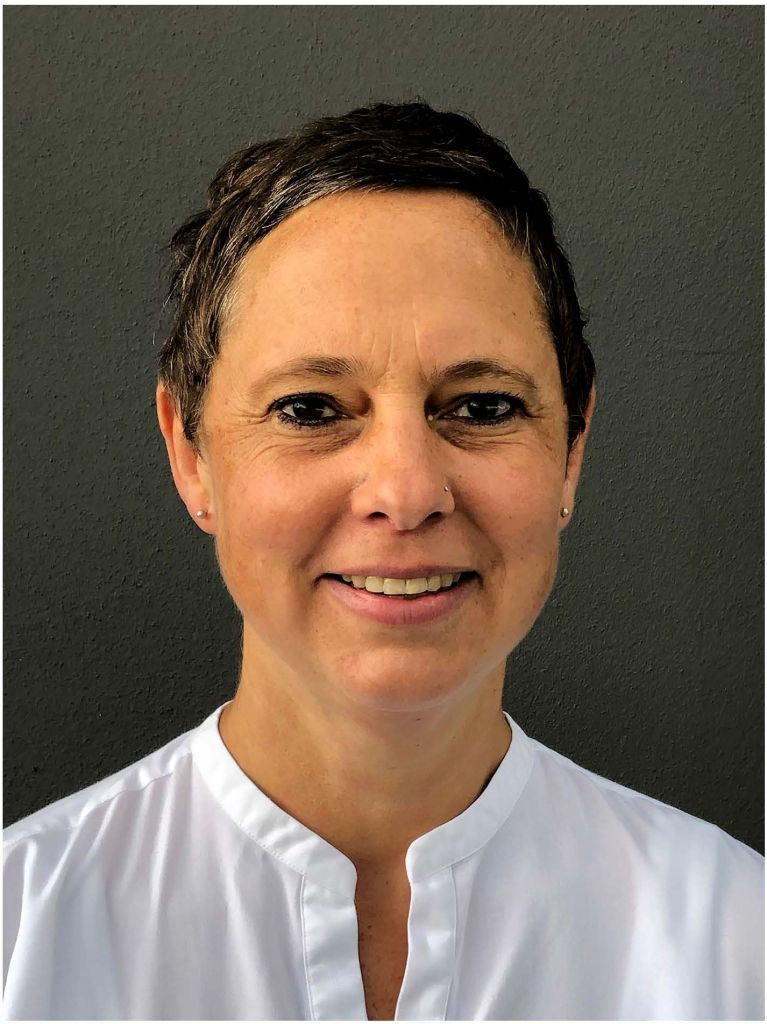
Dr. Cathrine Bublatzky
Anthropologist – Historian – Photographer
I am a trained photographer and received my Magister degree in Anthropology with a focus on South Asia and Visual Anthropology Studies at the South-Asia Institute, Heidelberg University, in 2008. Since then I have been working as a social and cultural anthropologist in the field of visual and media cultures.
In 2014 I finished a ethnographic project on contemporary art from India entitled “Along the ‘Indian Highway’: An Ethnography of an International Traveling Exhibition” that I published with Routledge in 2019.
When I was awarded a fellowship in the ELITE Postdoctoral Program by the Baden-Württemberg Foundation for my research project Contemporary Photography as a Cultural Practice by Diasporic Iranians in Europe (2017-2023), a whole new (thematic and regional) path opened in my work as an anthropologist and made me focus even more intensely on the intersections between different disciplines and practices – and brought me much closer to practitioners in the field of photography and art in the migratory and diasporic everyday.
I met Parastou Forouhar in 2015, and this encounter made me to understand what life in exile means, why ‘belonging’ is a never ending ‘longing’ and why it is so important to never stop standing up for human rights and freedom. From this perspective, I became very passionate with cultures of memory in post-migration contexts, the role of ‘unsighted migratory archives‘ and artist-activist engagements.
It was during this time that my personal involvement with art and migration began: I have successfully applied for a Scientific Network Entangled Histories of Art and Migration: Forms, Visibilities, Agents, funded by the German Research Foundation (2018 – 2022). In close cooperation with my colleagues Prof. Burcu Dogramaci (LMU, Munich) and Prof. Kerstin Pinther (Berlin), this network emerged from the interdisciplinary working group Art Production and Art Theory in the Age of Global Migration of which I have been co-speaker for the years 2016 – 2018 (extended until 2022), and culminated in the edited volume Entangled Histories of Art and Migration. Theories, Sites and Research Methods (Intellect 2024).
In this volume, the explorative photo-essay “On the (Im)possibilities of Migrating Images” with artist Anahita Razmi found a home. This gives a first impression about the work with “two dispersed family photography archives and a search for migratory family histories” and when we began “with our artistic and anthropological interest in migration and migrating regimes of photographs, […] a conversation […] about the visual performative cultures of the migratory everyday and aesthetic visions of (forced) displacement in historical family photographs”.
In April 2023, ‘collaborating’ and ‘anthropological engagement with historical family photographs’ reached another peak and when Parastou Forouhar and I started to work on her private collection of family photographs. Here we focus on historical photography from Iran and work about personal archives of press, family and private photographs. For the project ‘INTER:rupt:ed – Photographs as signs of time. Searching from traces from exile’, I received a fellowship at the Käte Hamburger Research Centre Dis:Connectivity in Processes of Globalisation. It allowed me to also work on related conceptual questions such as on ‘time and media’, ‘protest in the diaspora and exile’ or ‘ruptures in archives’. But to also open my horizon in working with other artists on ‘memory practices’. During this time, it was very inspiring to meet artist Franziska Windolf in Munich and to accompany her for a while in her work ‘Meet the Memory Person’.
For further insights on my work, publications and collaborations I warmly invite you to see my homepage and/or get in touch….



 Cathrine Bublatzky